This video is going to highlight the first implantation of the new Carpentier-Edwards Physio II ring performed in the United States.
By way of disclosure, I am a consultant with royalty agreements for Edwards Lifesciences, and I am the co-inventor of the Carpentier-Edwards Physio II ring as well as the Edwards’ IMR ETlogix ring.
Before getting to the case, I would like to review the three significant differences in the Physio II ring compared to the original Physio ring that has to do with optimized shape, an optimized double saddle, and an improved sewing cuff. In terms of optimizing the shape, we realized that as degenerative disease progresses and it has more excess tissue, the 4:3 ratio of the ring should be altered to accommodate excess tissue and match better the natural shape of the annulus. Therefore, in larger sizes, the Physio II ring increases its septolateral dimension becoming more round to accommodate extra tissue. In addition, the Physio II ring has an improved double saddle that now mimics more the shape of the natural annulus in systole. Finally, the Physio II has a much improved sewing cuff, which allows now to place sutures well away from the Elgiloy bands in the chord of the ring. Not only does this improve suture passage, but also there is less tension on the sutures as you pass the ring toward the annulus.
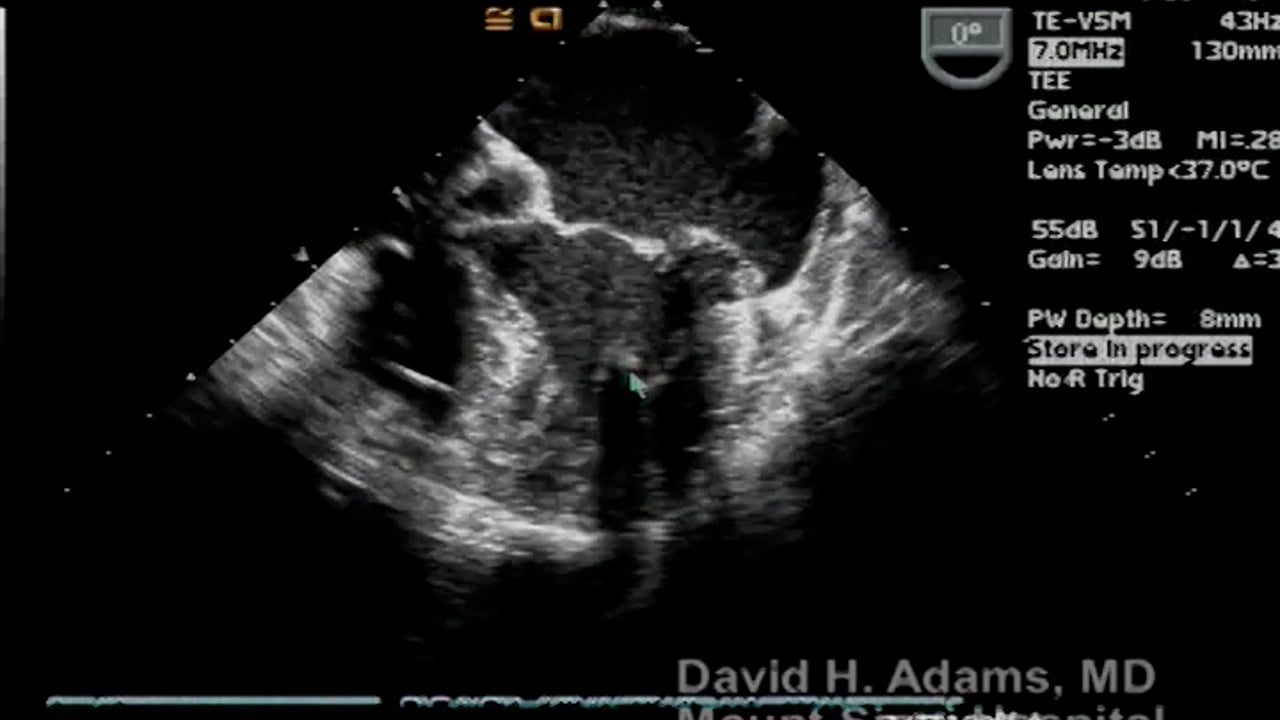
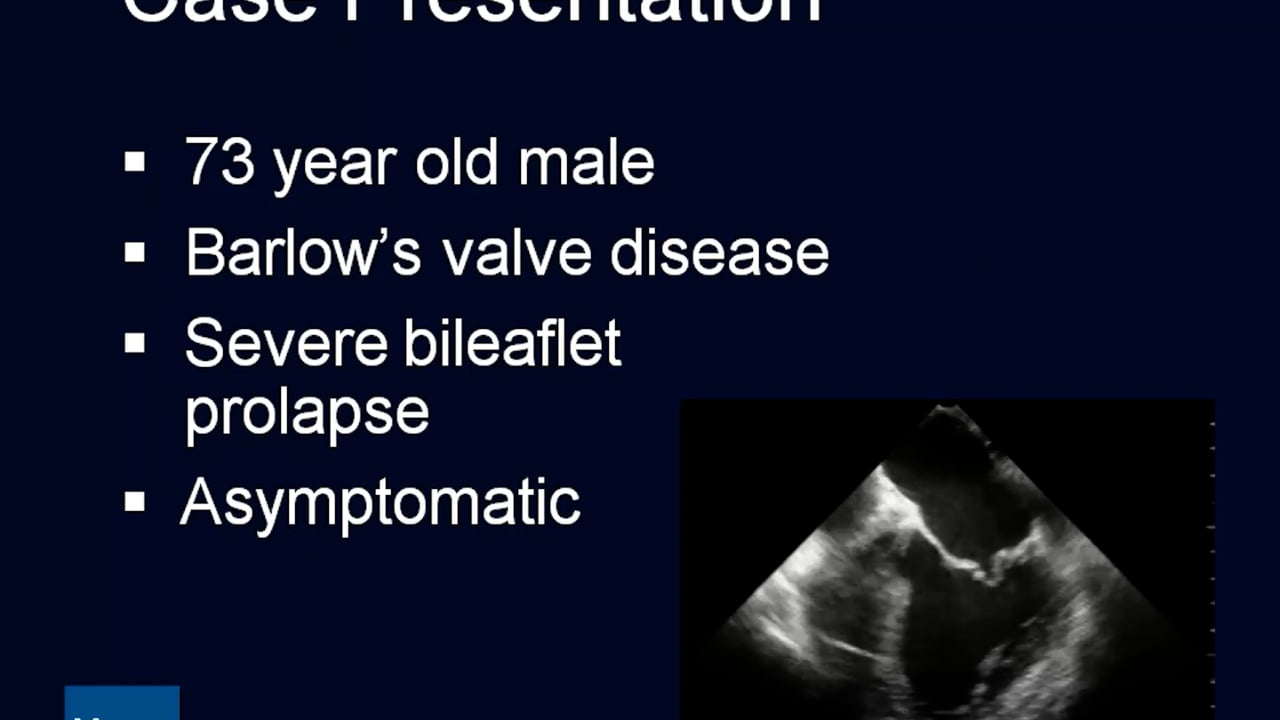
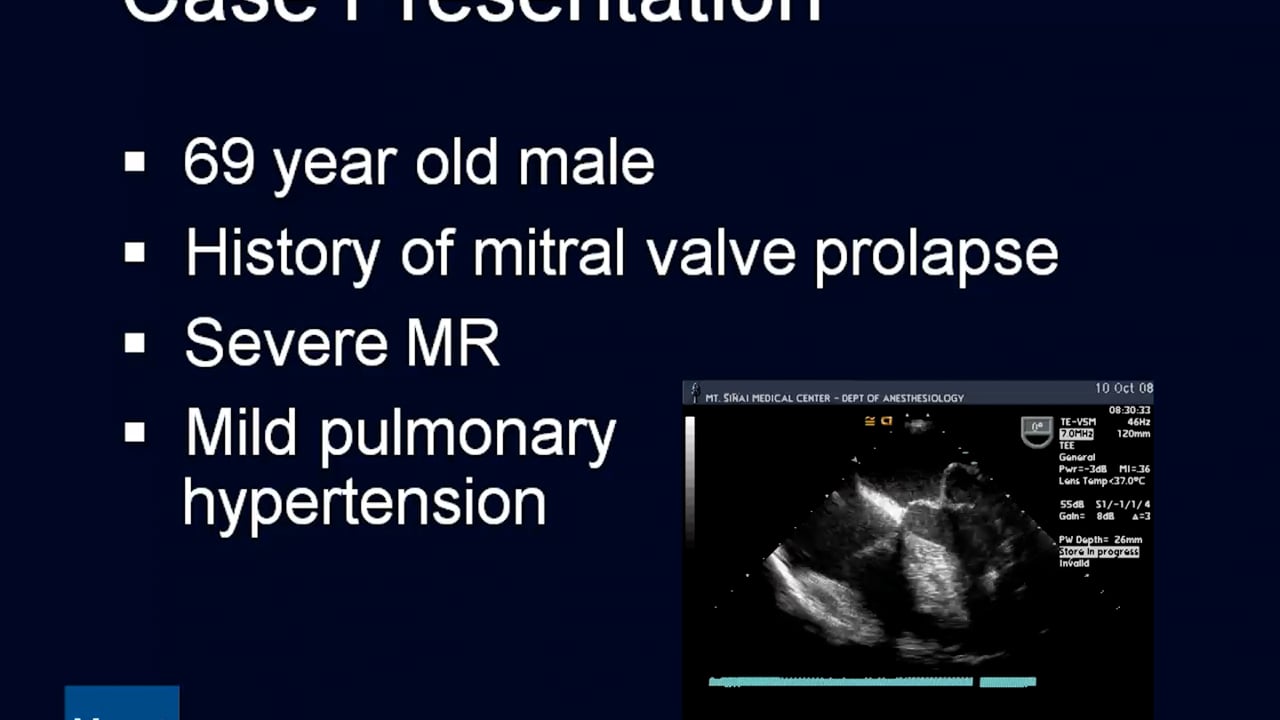
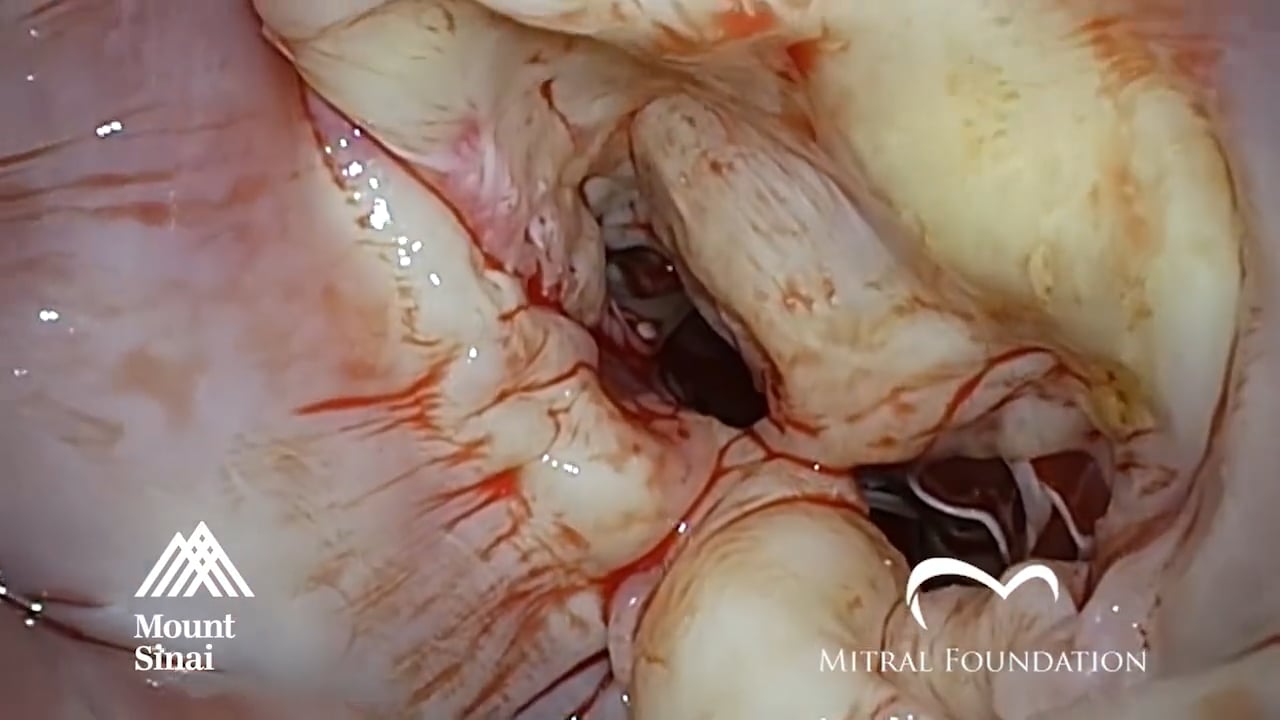
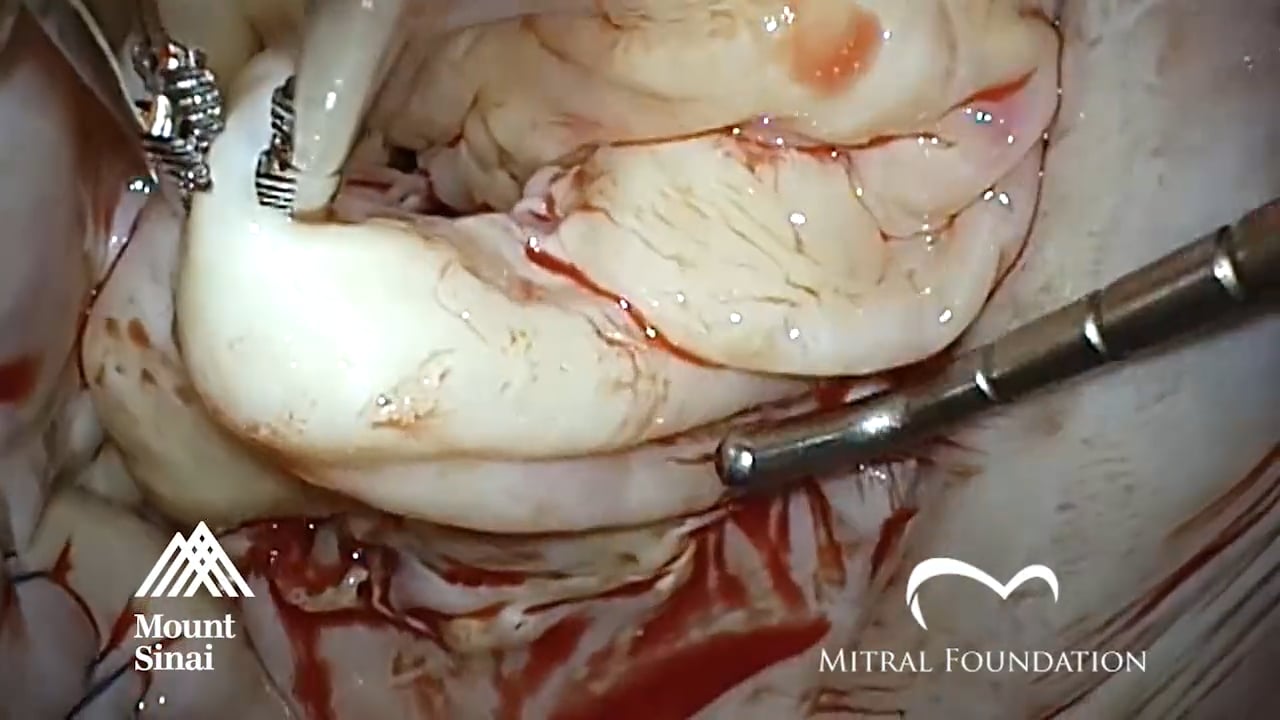
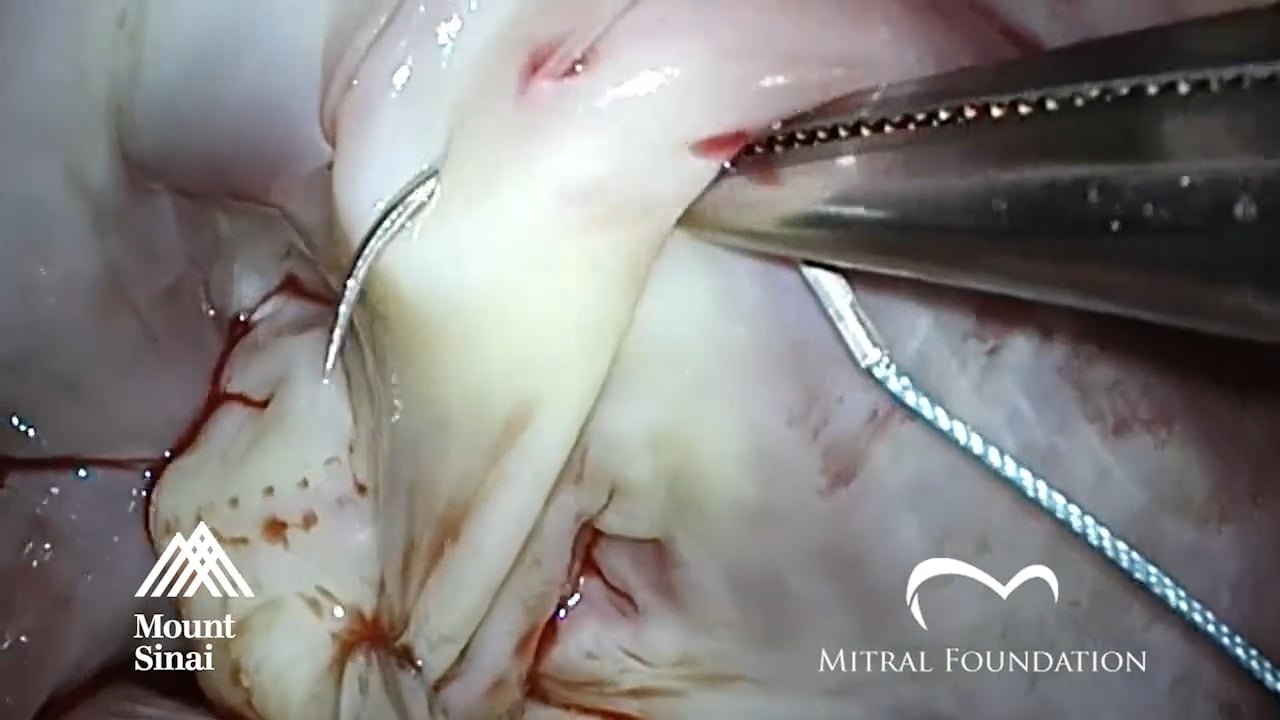
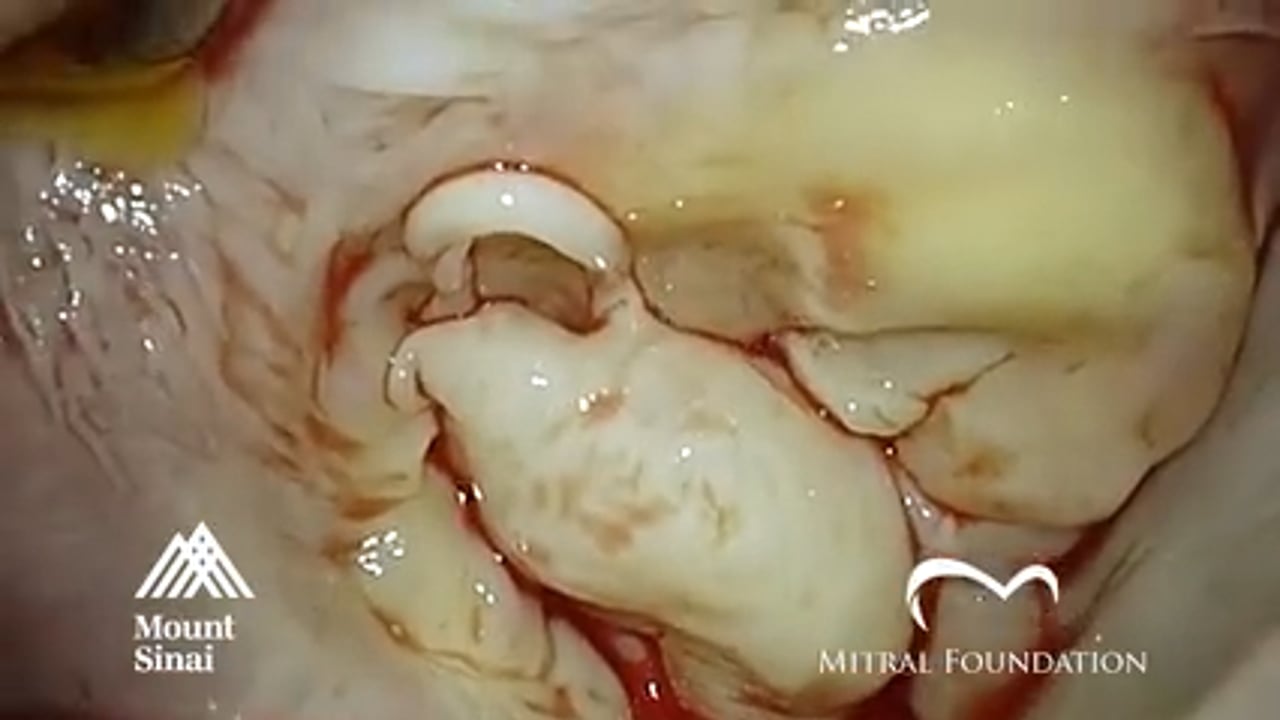
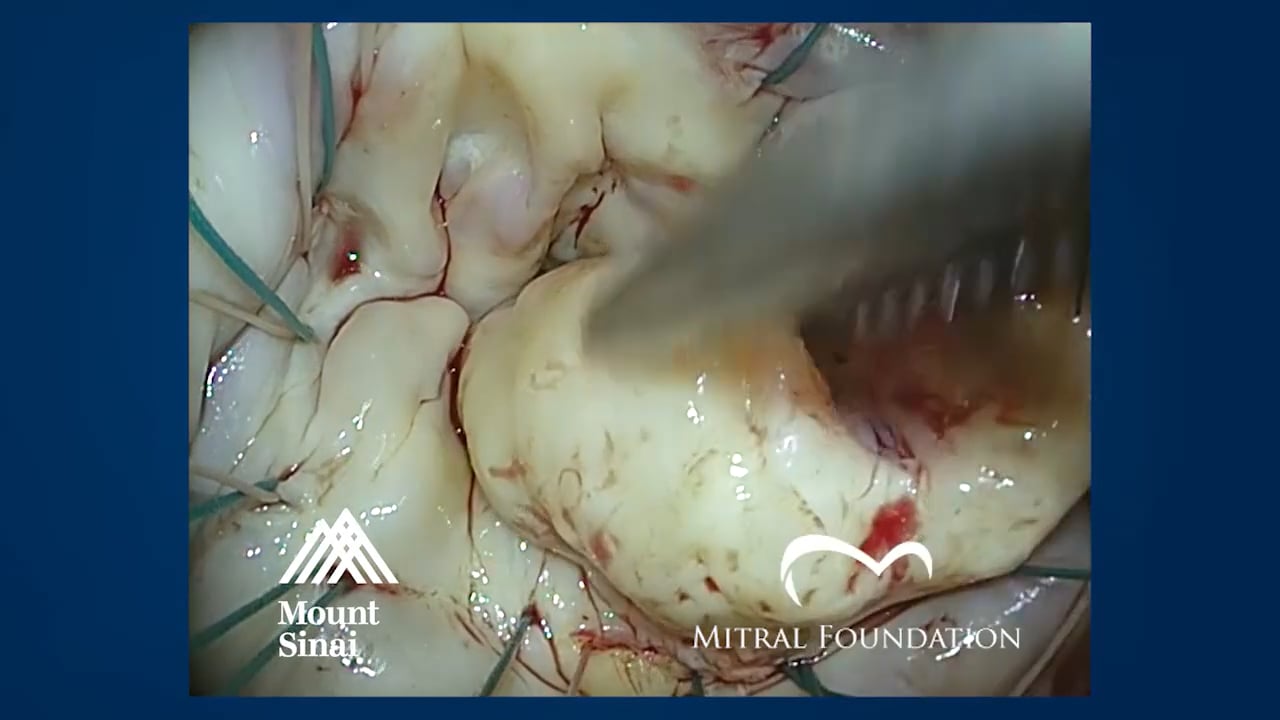
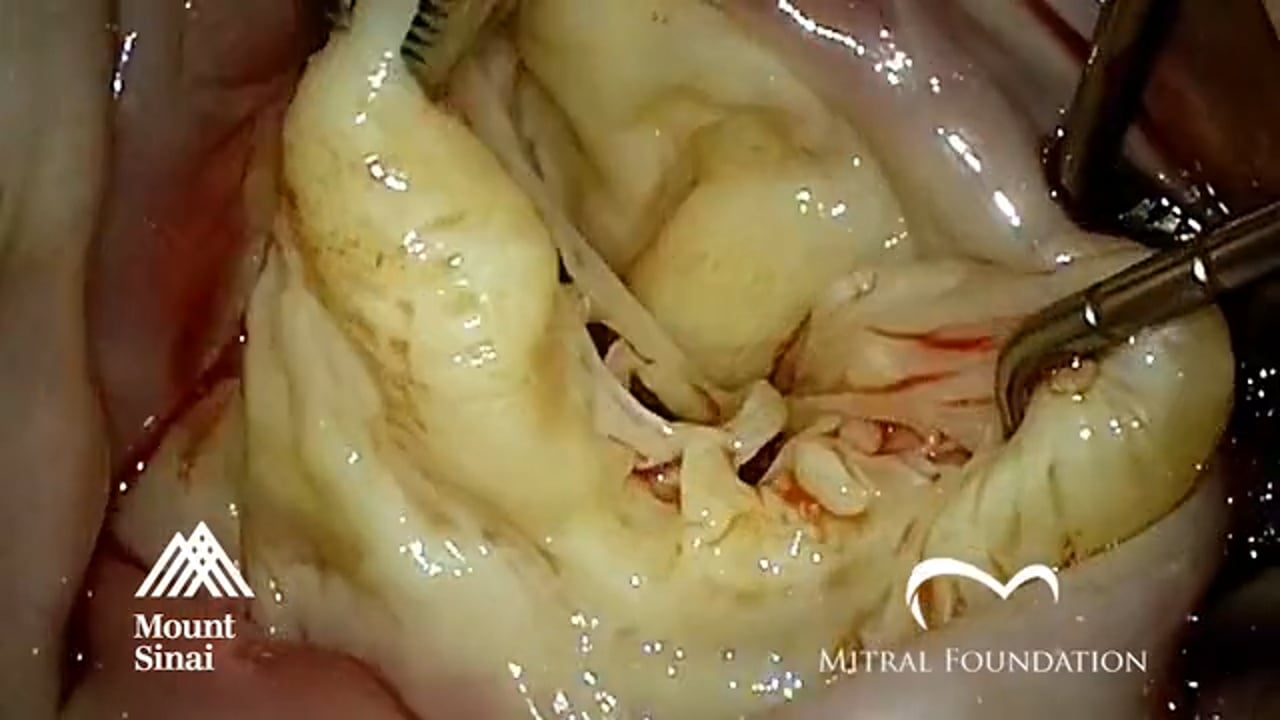
The case I would like to present is a 50-year-old man with advanced degenerative mitral valve disease. He has severe bileaflet prolapse and is also in atrial fibrillation. You can see he has a complex jet of regurgitation with more than one area of prolapse. Valve analysis reveals a deep indentation between P1 and P2, giant excess tissue with prolapse in both leaflets. We are going to begin by making a measured cut of the tallest segment of the central portion of P2 initially, we preserve the P2 segment near this indentation, and resect out this large piece of tissue. We use a knife to divide the P3 and residual P2 segment, and then we will start to shape this leaflet to make it approximately 1 cm in height. It is also important to cut the secondary or basal cordae off its segment you wish to transfer in order to reduce tension on the leaflet. Usually, we will isolate these chordae with hooks and then divide each one sharply.
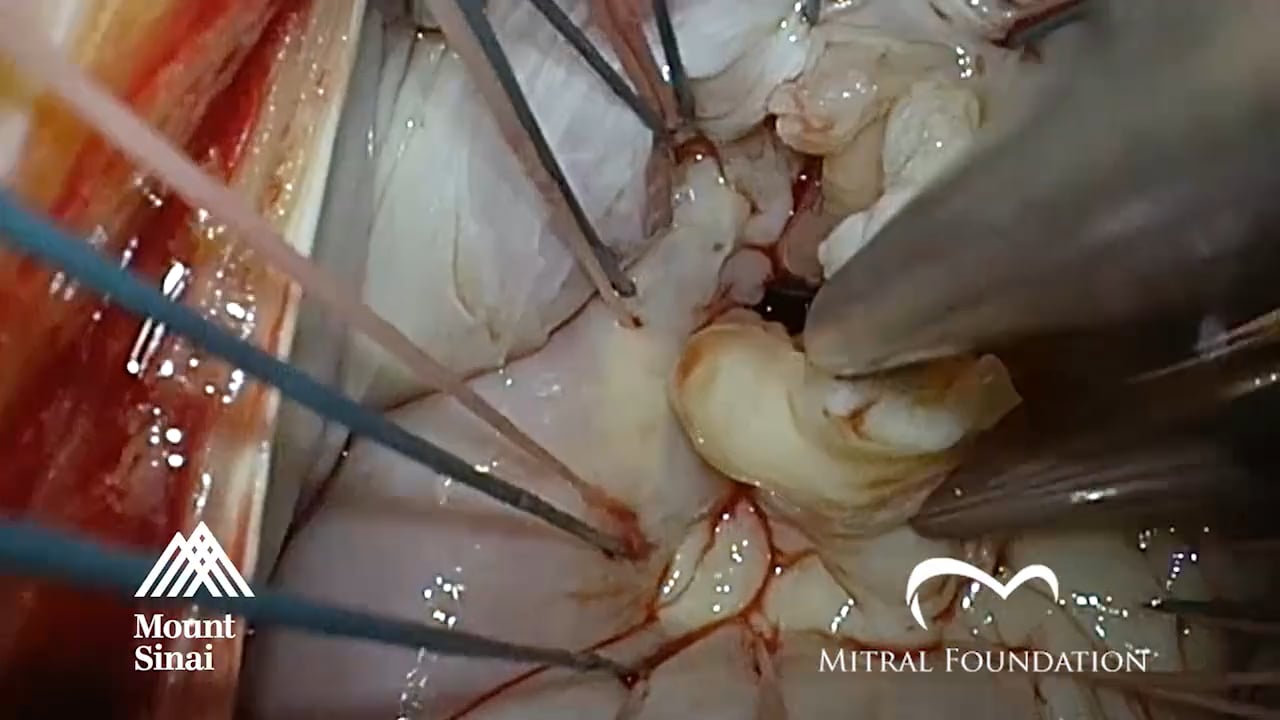
Now, we have got a good piece of leaflet tissue, so I have decided to cut out this indentation. We will save this for later, however, leaving the residual leaflet tissue and chordae attached in the ventricle. Usually, we use scissors to sharply dissect the residual P2 or P1 segment from the annulus. The next step in the sliding plasty is to reduce the annular dimension. We will start with a vertical compression of the annulus. This is performed by a series of interrupted Ethibond sutures passed wider and wider along the annular circumference. The goal is to narrow the annulus about a cm, and as these are tied, a measured plication of the annulus is performed. In addition to vertical compression, we also like to perform horizontal compression as described by Carpentier. To do that, you take a bite from the annulus towards the ventricle, then a bite of the ventricle, and a bite back through the annulus. As these are tied, it continues to narrow the circumference of the annulus, which will take tension off our leaflet advancement.
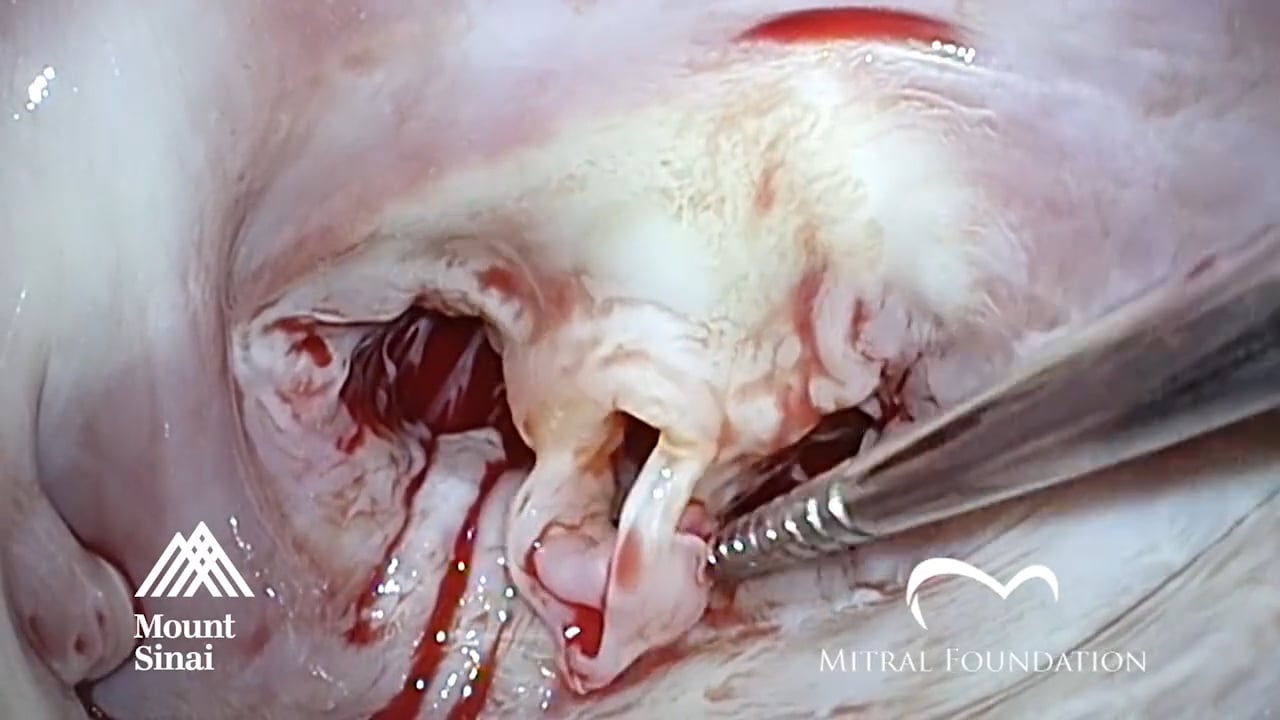
Prior to leaflet advancement, we will also then take advantage of the exposure to place our ring sutures. We are now ready to perform the sliding plasty. To do that, we use a running Prolene suture placing the leaflet back into the atrioventricular groove. That is the residual leaflet height; it is approximately 1 cm. This is very important particularly in the case of excess leaflet tissue to prevent systolic anterior motion. Now use a second running suture to attach the residual P2-P3 segment to the annulus. Care is taken to reinforce the annular plication.
We now close the leaflet defect with interrupted Prolene sutures, and saline testing at this point is useful to confirm the location of the closure line as well as to guide continued closure of the residual leaflet defect. Prior to ring implantation, you now see a good position of the posterior leaflet and closure line. Here is the new Physio II ring sizer. See it is quite easy to visualize, and here is the ring implanted with sutures. You note the sutures are passed through a sewing ring, which is part of the design in the increased saddle, particularly anteriorly. Saline testing now confirmed anterior leaflet prolapse, which was obvious on the echo. We are going to use part of the residual chordae leaflet apparatus of the posterior leaflet to reinforce the posterior leaflet closure line as well as to correct anterior leaflet prolapse with a leaflet flip technique, and here you can see the final closure line with an excellent line of symmetry and a long coaptation surface demonstrated by the same test.